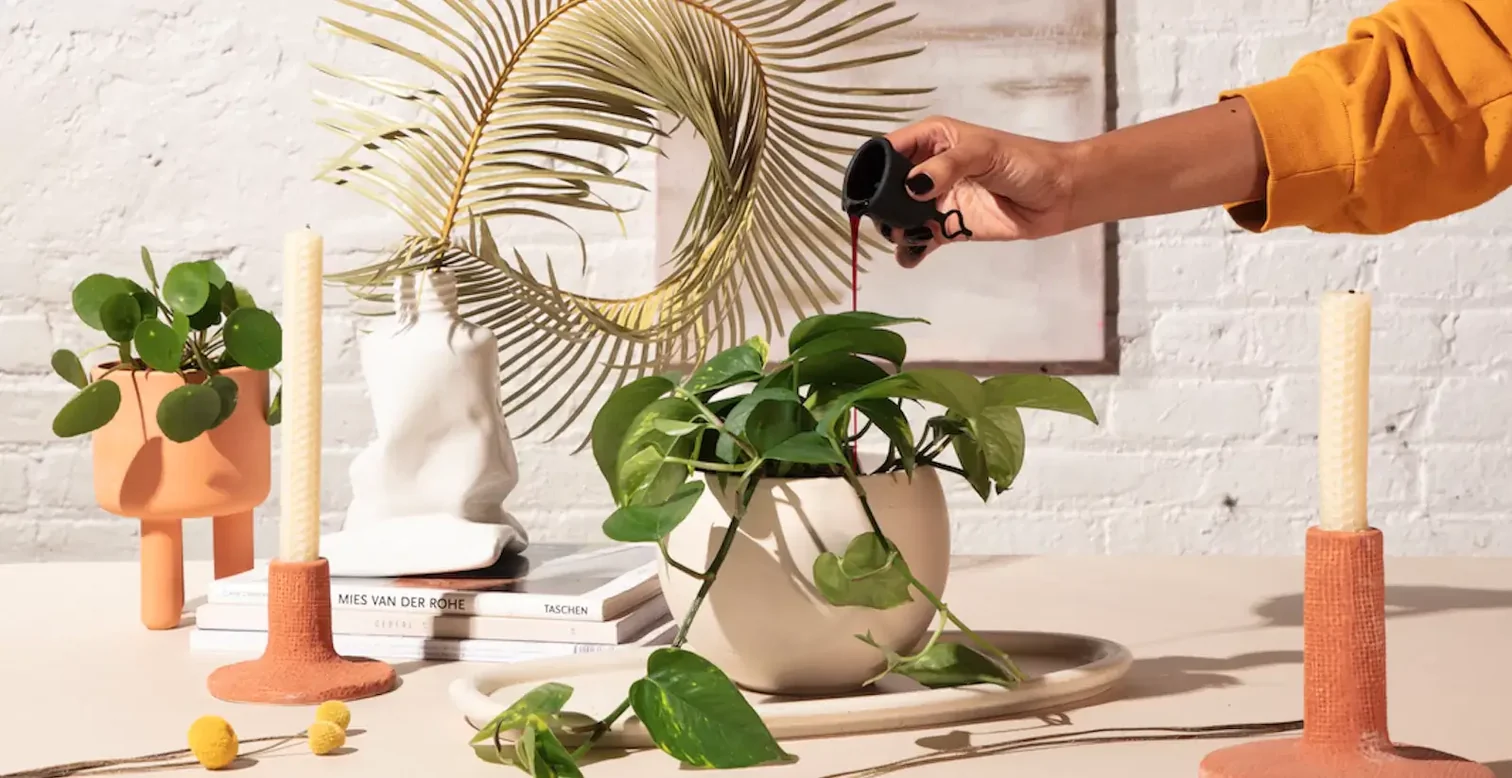
TL;DR: “Period scooping” is a TikTok trend centered on the idea that you can manually remove menstrual fluid from the vaginal canal, using pelvic floor contractions, fingers, or even a pipette, to shorten or manage your period. But the truth is, it can’t actually shorten your period. Some versions of the trend are harmless but others, especially anything involving douching, carry real infection risk.
If your For You Page has been full of people talking about “scooping” their period lately, you’re not imagining it. The term exploded on TikTok this spring, racking up millions of views from people insisting they’d found a hack to shorten their period, cut down on mess, or take control of a heavy flow day.
It sounds empowering. It’s also, mostly, not what it claims to be.
Here’s what’s actually going on with period scooping, why it doesn’t work the way the trend suggests, and which versions of it are harmless vs. risky.
What is “period scooping,” exactly?
“Period scooping” isn’t just one thing. It’s an umbrella term TikTok has been using to describe a few different behaviors, some old, some newer, that all involve trying to physically remove menstrual fluid before it comes out on its own. According to Sally King, a visiting fellow in menstrual physiology at King’s College London who has written about the trend for The Conversation, the term is generally being used to describe three distinct things: 1
1. Contracting your pelvic floor muscles (essentially a bear-down, similar to a kegel in reverse) while on the toilet or in the shower to push out fluid that’s already collected in the vaginal canal.
2. Inserting fingers or a pipette into the vagina to manually remove fluid.
3. Washing out the inside of the vagina with water, a showerhead, or soap, which is really just douching with a new name.
Those three versions have very different risk profiles, which we’ll get into below. But they share the same flawed premise: that removing fluid from the vaginal canal can shorten or control your period.
Why period scooping doesn’t shorten your period
Your period isn’t caused by fluid accumulating in your vaginal canal. It’s caused by a hormonal process happening much further up, in your uterus. Each cycle, a drop in progesterone and estrogen triggers your uterine lining (the endometrium) to break down and shed. That’s what menstrual bleeding is: the functional layer of your endometrium, along with blood, cervical mucus, and vaginal secretions, exiting your body through the cervix and vaginal canal.2
By the time fluid reaches your vaginal canal, your uterus has already done its job for that cycle. Scooping, pushing, or rinsing it out doesn’t reach back up into the uterus or interrupt that hormonal shedding process. It just clears out what’s already there, which is exactly why people feel like it“works”: your flow looks lighter for a bit, right up until your uterus sheds more. The total length and volume of your period stays the same.
If you’re looking for ways to make your period end faster, there are a few backed by research, and scooping isn’t one of them.
Where does that fluid even collect?
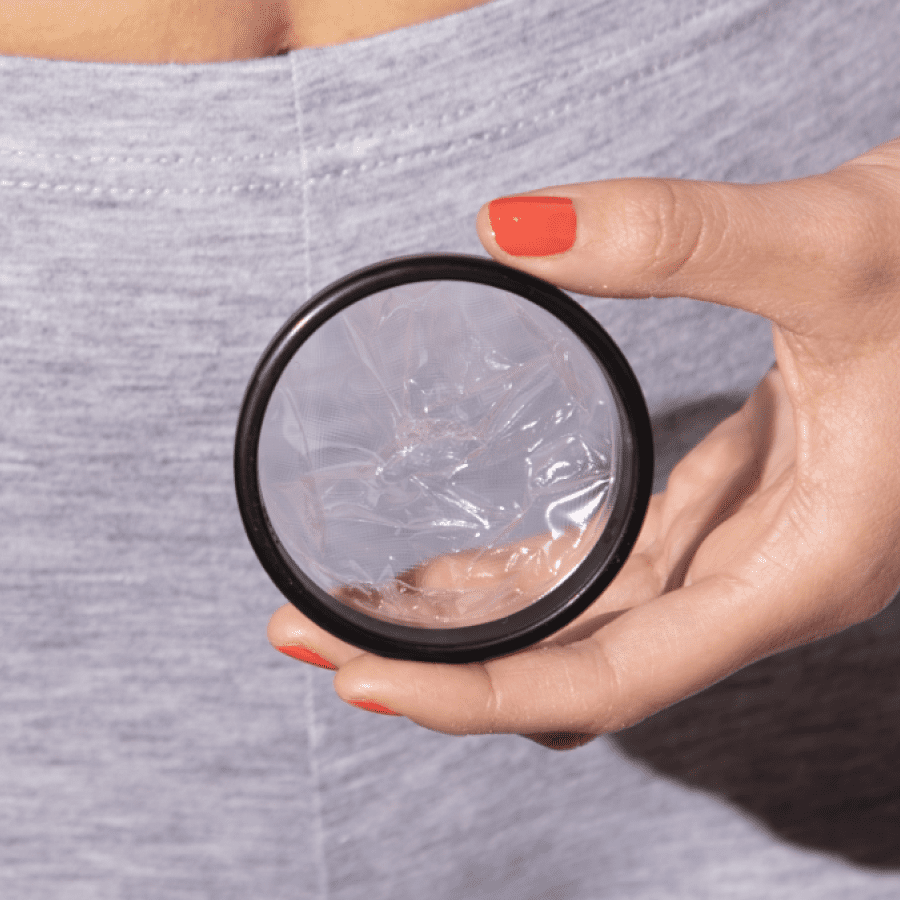
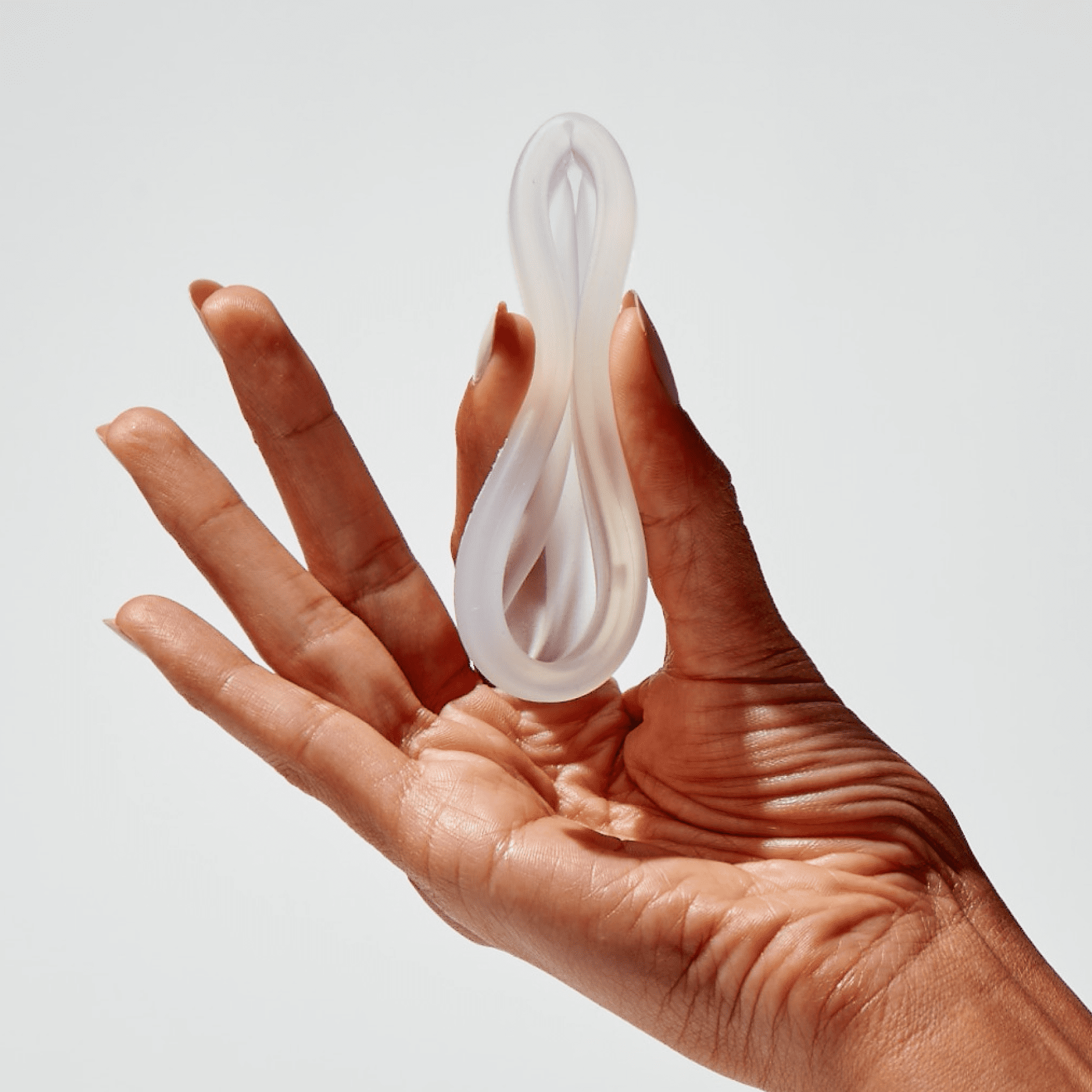
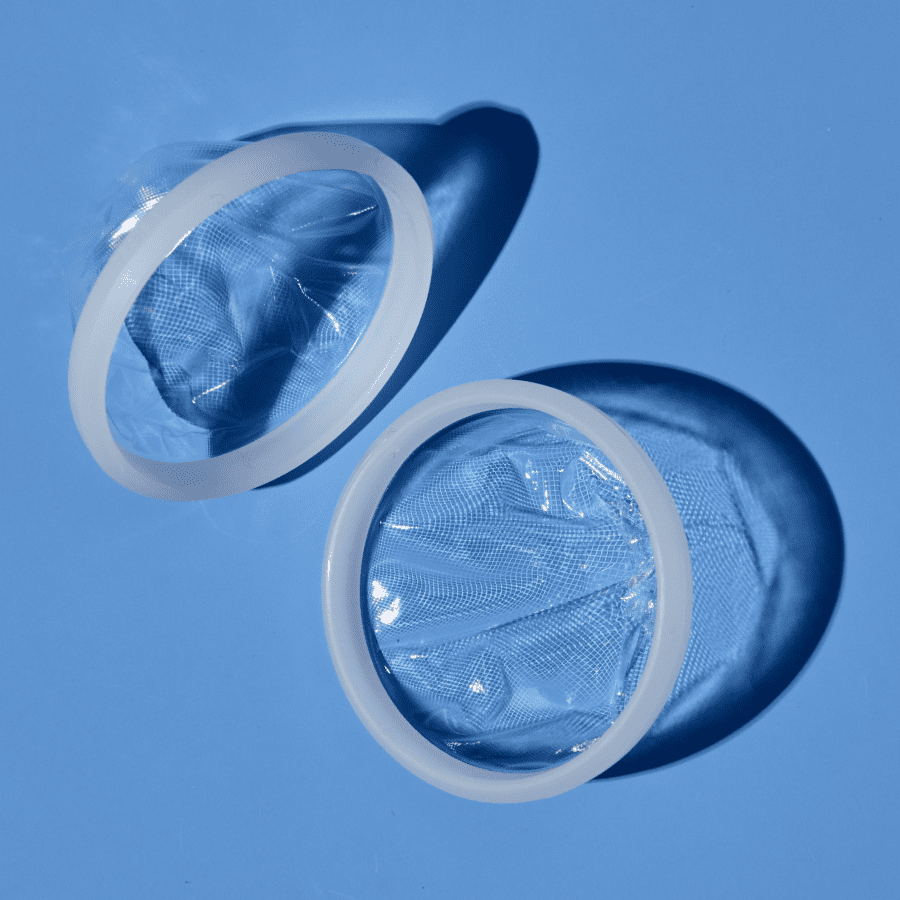
Menstrual fluid doesn’t just float around in your vaginal canal. It tends to pool in the vaginal fornix, the dome-shaped pocket at the very top of the vagina that surrounds the cervix. It’s the same anatomical real estate that makes menstrual discs like Flex Disc work: instead of absorbing fluid in the middle of the canal like a tampon, a disc sits up in the fornix and collects fluid as it leaves the uterus, which is also why discs tend to hold more and can be worn longer between changes.
Understanding that geography helps explain why scooping feels effective in the moment. You’re not intercepting your period at the source. You’re just reaching into the pocket where fluid naturally collects before it exits your body anyway.

Is period scooping safe? Breaking down each version
1. The pelvic floor version: generally harmless
Bearing down with your pelvic floor to push out fluid that’s already collected isn’t new, and (good news!) it isn’t dangerous as long as you aren’t overdoing it.1
If you’ve ever worn a Flex Disc and used its mid-wear, hands-free emptying feature, you’ve already done a version of this: relaxing and bearing down with your pelvic floor while on the toilet lets the disc tip forward just enough to release some fluid, no removal required. It doesn’t change how long your period lasts. It just changes when some of that fluid leaves your body.
2. Fingers or a pipette: it’s about hygiene
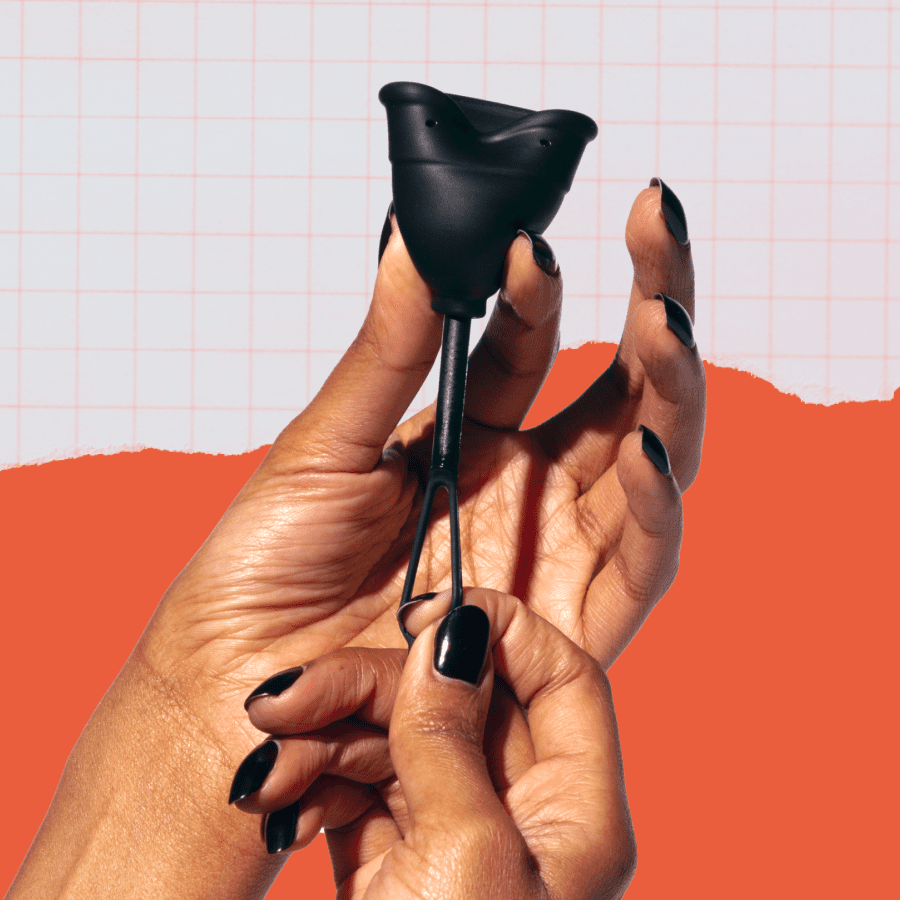
Manually inserting fingers to remove fluid isn’t inherently dangerous either, plenty of people do something similar every time they insert or remove a menstrual cup or disc. The risk comes down to cleanliness: unwashed hands, a reused pipette, or introducing something like lotion or soap into the vagina can all disrupt your vaginal microbiome or introduce bacteria 1. The same hand-hygiene rules that help prevent toxic shock syndrome with any internally worn period product apply here: wash your hands before and after, and don’t introduce anything into your vagina that isn’t designed to go there.
3. Washing or douching: this is the one to skip
The version of “scooping” that involves rinsing out the vagina with water, a showerhead, or soap is where things get risky. That’s douching, whatever new name it’s wearing on TikTok. Your vagina maintains its own pH balance and a protective layer of beneficial bacteria that keep it self-cleaning. Introducing water, soap, or fragranced products disrupts that balance.1
The CDC links douching to an increased risk of bacterial vaginosis, and research has also connected it to pelvic inflammatory disease, cervical infections, and preterm or low-birth-weight deliveries in pregnancy.3 4 None of that risk buys you a shorter period. It just trades a normal biological process for a possible, preventable infection.
What helps you manage a shorter, easier period
If the appeal of period scooping is feeling more in control of your cycle, there are options that are backed by research, from hormonal birth control (the most reliable way to shorten or lighten a period) to NSAIDs, exercise, and orgasm. We break all of that down in how to make your period end faster.
And if what you’re really after is less mess and fewer bathroom trips, that’s more about your period product than your technique. A menstrual disc already does the job people are trying to hack: it sits in the fornix, collects rather than absorbs, and empties on its own with a simple pelvic floor bear-down, no fingers, pipettes, or rinsing required.
FAQs about period scooping
Is period scooping safe?
It depends on the version. Bearing down with your pelvic floor to release collected fluid is safe. Using clean fingers or a clean pipette is generally low-risk if you wash your hands and don’t introduce other products. Rinsing or douching inside the vagina with water or soap is not safe and is linked to bacterial vaginosis, pelvic inflammatory disease, and other complications.1 5
What is period scooping?
It’s a TikTok term for manually removing menstrual fluid from the vaginal canal, whether by pelvic floor contraction, fingers, a pipette, or rinsing, based on the (incorrect) idea that doing so can shorten or better manage your period.
Can scooping shorten your period?
No. Your period is caused by hormonal changes that trigger your uterine lining to shed. Removing fluid from your vaginal canal doesn’t affect that process, it just temporarily reduces how much fluid is sitting there at once.2
The bottom line
Period scooping isn’t the period hack it’s been made out to be. Your uterus is going to shed its lining on its own timeline no matter how much fluid you clear out of your vaginal canal in the meantime.
If you must try it: The pelvic floor version is generally harmless (and honestly, kind of useful if you’re wearing a menstrual disc). The finger or pipette version comes down to basic hygiene. The douching version is the one you should definitely skip, no matter how satisfying the TikTok demo looks.
This article is informational only and is not offered as medical advice, nor does it substitute for a consultation with your physician. If you have any gynecological/medical concerns or conditions, please consult your physician.
© 2026 The Flex Company. All Rights Reserved.