Comparison of normal ovary and polycystic ovary.

Guide to polyendocrine metabolic ovarian syndrome (PMOS)
What is PMOS? Everything you need to know
TL;DR: PMOS stands for polyendocrine metabolic ovarian syndrome, the new name for the condition long known as polycystic ovary syndrome (PCOS). It’s one of the most common causes of irregular menstrual periods, and it can lead to fertility problems and other complications. The good news is that PMOS is manageable. There’s a wide range of medical options, along with lifestyle changes, that can ease PMOS symptoms.
In May 2026, PCOS was officially renamed polyendocrine metabolic ovarian syndrome, or PMOS. Diagnosis and treatment haven’t changed, only the name has. This guide covers the full story on why in the next section, and uses the updated name throughout, with a nod to the older term where it’s helpful for clarity, since you’ll still see PCOS used widely for the next few years.
PMOS is one of the most common endocrine disorders among people with ovaries, affecting more than 170 million people worldwide, or roughly 1 in 8. 1 It most commonly affects people of reproductive age, typically between the late teens and early 40s, though symptoms can sometimes begin as early as puberty.
PMOS is a complex condition thought to result from a combination of genetic and environmental factors. It’s characterized by a constellation of signs and symptoms that vary from person to person, depending on the unique interplay of environment, family history, and other underlying conditions.
Living with a hormonal condition like this is challenging no matter what it’s called. For some, it can be frustratingly hard to treat, and even harder to live with, especially during your period.
If you’re curious about what PMOS really involves, whether you know it by its new name or its old one, read on. We’ll cover why the name changed, how it’s diagnosed, its most common symptoms, and how it affects your period.
Why did PCOS become PMOS?
On May 12, 2026, polycystic ovary syndrome (PCOS) was officially renamed polyendocrine metabolic ovarian syndrome (PMOS). The change was announced in The Lancet and presented at the European Congress of Endocrinology in Prague, the result of a 14 year, multistep global consensus process. 2
More than 56 patient and professional organizations took part in the process, including the Endocrine Society and the American Society for Reproductive Medicine. 2
The process gathered more than 22,000 survey responses from people with the condition and healthcare professionals across every world region, along with multiple international workshops, to settle on a name that met six agreed principles:
- Patient benefit
- Scientific accuracy
- Ease of communication
- Avoidance of stigma
- Cultural appropriateness
- Feasibility of implementation
PMOS won out in a landslide over two other finalists, endocrine metabolic ovulatory syndrome and ovulatory metabolic endocrine syndrome.
The rename addresses a problem researchers had flagged for years: the old name overstated the role of ovarian cysts and understated everything else going on in the body. A companion study published alongside the consensus paper found no true increase in abnormal ovarian cysts among people with the condition. What shows up on ultrasound is a higher number of small, immature egg follicles, not cysts in the medical sense. 2
By naming the condition after its hormonal (or endocrine) and metabolic features instead, the new name is meant to better reflect what people actually experience: effects on weight, mental health, skin, and the reproductive system, not just the ovaries.
Nothing about diagnosis changes right away. The three established diagnostic criteria remain exactly as they were. A three year global education campaign is underway to help patients, clinicians, and researchers make the switch, with the new name expected to be fully reflected in the next update to the international clinical guideline in 2028. 1
In the meantime, expect to see both names in circulation for a while. Medical records, older research, insurance paperwork, and everyday conversation will likely keep referring to PCOS for the next few years. That’s normal, and it doesn’t mean anyone is behind. It’s the same condition, just with a name that finally reflects the whole picture.
How exactly is PMOS diagnosed?
Polycystic Ovary Syndrome is not diagnosed by doing a single test, instead, it is diagnosed based on having two out of three criteria, which are:
- Infrequent or absent ovulation
- Hyperandrogenism (clinical signs or elevated blood levels of androgens)
- Polycystic ovaries seen on ultrasound, or elevated anti-Müllerian hormone (AMH) levels 3
The 2023 international guideline updated this criteria to allow an AMH blood test as an alternative to ultrasound for confirming the ovary finding in adults. For the roughly 70 percent of people who already have both irregular cycles and signs of excess androgens, an ultrasound or AMH test isn’t even required for diagnosis. Other causes with similar symptoms, such as thyroid disorders, need to be ruled out first.
Worth noting: the “polycystic ovaries” criterion is part of why the condition was renamed in the first place. Research published alongside the 2026 name change found no actual increase in abnormal ovarian cysts in people with the condition.
What shows up on ultrasound is a higher number of small, immature follicles, not true cysts. The diagnostic criteria still reference this follicle pattern, but the new name no longer centers the ovaries as the main story.
First criteria: infrequent or absent ovulation
Infrequent or absent ovulation is especially characteristic of PMOS, and it’s often one of the first symptoms people notice, thanks to irregular or missing periods. In a regular menstrual cycle, ovulation happens roughly midway between the start of one period and the next. For people with PMOS, hormonal dysregulation gets in the way of normal follicle development, so there’s no fully developed follicle, no egg release, and no period.
Second criteria: hyperandrogenism, or excess androgens
The second criterion is hyperandrogenism. This word describes the hormonal imbalance that prevents the body from properly developing an egg follicle. People with PMOS tend to have excess androgens in their bloodstream, largely the result of higher ovarian androgen secretion.
Androgens are steroid hormones present in everyone, but typically at higher levels in people assigned male at birth, which is why they’re sometimes called “male hormones.” 4 The main circulating androgen is testosterone. Excess androgen activity is thought to drive several other PMOS symptoms, which is why bloodwork to check hormone levels is usually one of the first steps in diagnosis.
Third criteria: the ovarian follicle pattern
The third criterion looks at whether small, fluid filled follicles, sometimes still loosely called “cysts,” dot the surface of the ovaries. When follicular development is disrupted, instead of one dominant follicle, several smaller, immature follicles can form, giving the ovary a distinctive appearance on imaging.
A doctor might start with a pelvic exam and follow up with imaging to check whether the ovaries are enlarged. Ultrasound is typically the simplest way to visualize the ovaries. It uses painless, high frequency sound waves to create real time images of soft tissue, and it’s widely available at outpatient practices and clinics. As noted above, the 2023 guideline also allows an AMH blood test in place of ultrasound for adults.
Keep in mind that diagnostic guidelines can vary somewhat depending on your healthcare provider and how recently their practice has incorporated the updated 2023 criteria and the 2026 name change.
Risk factors for PMOS vary, but several patterns show up consistently. Genetics play a meaningful role: having a family history of the condition raises your own risk. Lifestyle factors such as higher body weight and low physical activity are also linked to higher rates of PMOS. Insulin resistance is another major factor. Many people with PMOS have elevated insulin levels, which can contribute to weight gain and worsen symptoms. Hormonal imbalances, including elevated androgens, round out the risk picture 5

PMOS symptoms and how to deal
Beyond period irregularities, PMOS is associated with a range of symptoms tied to excess androgens and metabolic changes, including: 6
- Menstrual irregularities, including infrequent or absent periods
- Menorrhagia, or heavy menstrual bleeding when a period does arrive
- Excess hair growth on the face, chest, and other body areas typically associated with male pattern hair growth (hirsutism)
- Acne
- Scalp hair thinning or male pattern hair loss
- Weight gain
- Dark, velvety patches of skin (acanthosis nigricans), often a sign of insulin resistance
- Insulin resistance, which raises the risk of type 2 diabetes
- Sleep apnea
- Difficulty becoming pregnant, pregnancy complications, or infertility
PMOS and other health conditions
PMOS has also been linked to chronic low grade inflammation, which is thought to contribute to the higher long term cardiovascular risk seen in people with the condition. 7 This is a big part of why the name changed: the metabolic and endocrine features are just as central as the reproductive ones. Not everyone with PMOS will experience every symptom, and severity varies quite a bit from person to person.
People with PMOS are also at higher risk for several related conditions: high blood pressure, high cholesterol, heart disease, type 2 diabetes and prediabetes, endometrial cancer, and metabolic dysfunction associated steatotic liver disease (MASLD), a newer term for what used to be called nonalcoholic fatty liver disease. 5
People with PMOS often notice period changes early on, especially if their cycle was previously regular. Common changes include shifts in cycle length, multiple missed periods without pregnancy, or unusually heavy bleeding.
You should always listen to your body and contact your healthcare provider whenever you notice changes in your menstrual cycle. If you have any of the symptoms above, keep track of them. Jot down dates and details so you’ll have specifics ready when you talk to your provider.
Coping with PMOS symptoms: exercise, diet, and lifestyle adjustments
Managing PMOS can be difficult, especially since many symptoms are all-encompassing. Missed or irregular periods are stressful on their own, and the pelvic pain can be overwhelming once a period finally arrives, not to mention the heavy bleeding and constant worry about leaks, even on lighter days.
Thankfully, there are many treatment options available. According to the 2023 international guideline, which still governs care during the transition to the new name, first-line therapy centers on healthy lifestyle changes, with medical options layered in as needed, including combined hormonal birth control, metformin for insulin resistance, and fertility-focused treatment for those trying to conceive. 7
Because PMOS is more common in people with higher body weight, lifestyle changes can meaningfully reduce symptoms and improve quality of life, though no single diet or exercise plan works for everyone.

PMOS diet and exercise
A personalized diet and exercise routine can go a long way toward balancing hormone levels and easing PMOS symptoms. A diet built around lean protein, whole grains, and vegetables, and lower in refined carbohydrates, is a reasonable place to start. Cutting back on white bread, fried foods, candy, soda, and other sources of added sugar can help too.
There’s no need to overhaul your entire diet or workout routine overnight. Take small, consistent steps, and give yourself credit for the progress you make along the way.
The same goes for exercise. Regular physical activity plays a meaningful role in managing PMOS symptoms and improving ovulation and insulin sensitivity. 7 That can look like parking farther from the store entrance, taking a walk instead of watching TV, or fitting in a 10 minute at-home workout during your lunch break.
A recent pilot study found that a Mediterranean style eating pattern, rich in vegetables, olive oil, fish, and whole grains, was both feasible and well tolerated by people with the condition, with adherence improving significantly over 12 weeks when paired with personalized nutrition support. 8 That said, the right diet for PMOS is highly individual. What works for a friend, parent, or sibling might not work for you, and that’s normal.
Keeping a symptom diary can also help you spot the lifestyle triggers that make PMOS feel worse. Track your meals, exercise, sleep, and symptoms daily. Over time, patterns tend to emerge.
Gradual, sustained weight loss, generally in the range of 5 to 10 percent of body weight where clinically appropriate, may help with the metabolic side of PMOS, including insulin resistance and high blood pressure, and may also ease other symptoms like stubborn acne. 7 If you can, work closely with a healthcare provider or registered dietitian when building a weight management plan. Having that support, and someone to help track your progress, makes it easier to maintain results long term.
PMOS and periods
The exact cause of PMOS remains unknown, but it’s believed to stem from a hormonal imbalance that raises androgen levels and disrupts normal follicle development. 7 Instead of one dominant follicle supporting a single egg, the body tries and fails to develop several follicles at once.
These undeveloped follicles accumulate along the ovary’s surface, giving the ovary the distinctive appearance once described as “polycystic.” This reduced or absent ovulation can, over time, contribute to infertility.
In the early stages of PMOS, people often notice changes in their cycle. Periods may run shorter or longer than that person’s usual pattern. The first period after a skipped cycle may also be heavier, since the uterine lining has more built up to shed.
Any irregularity in your menstrual cycle is worth flagging to your healthcare provider as soon as you notice it.
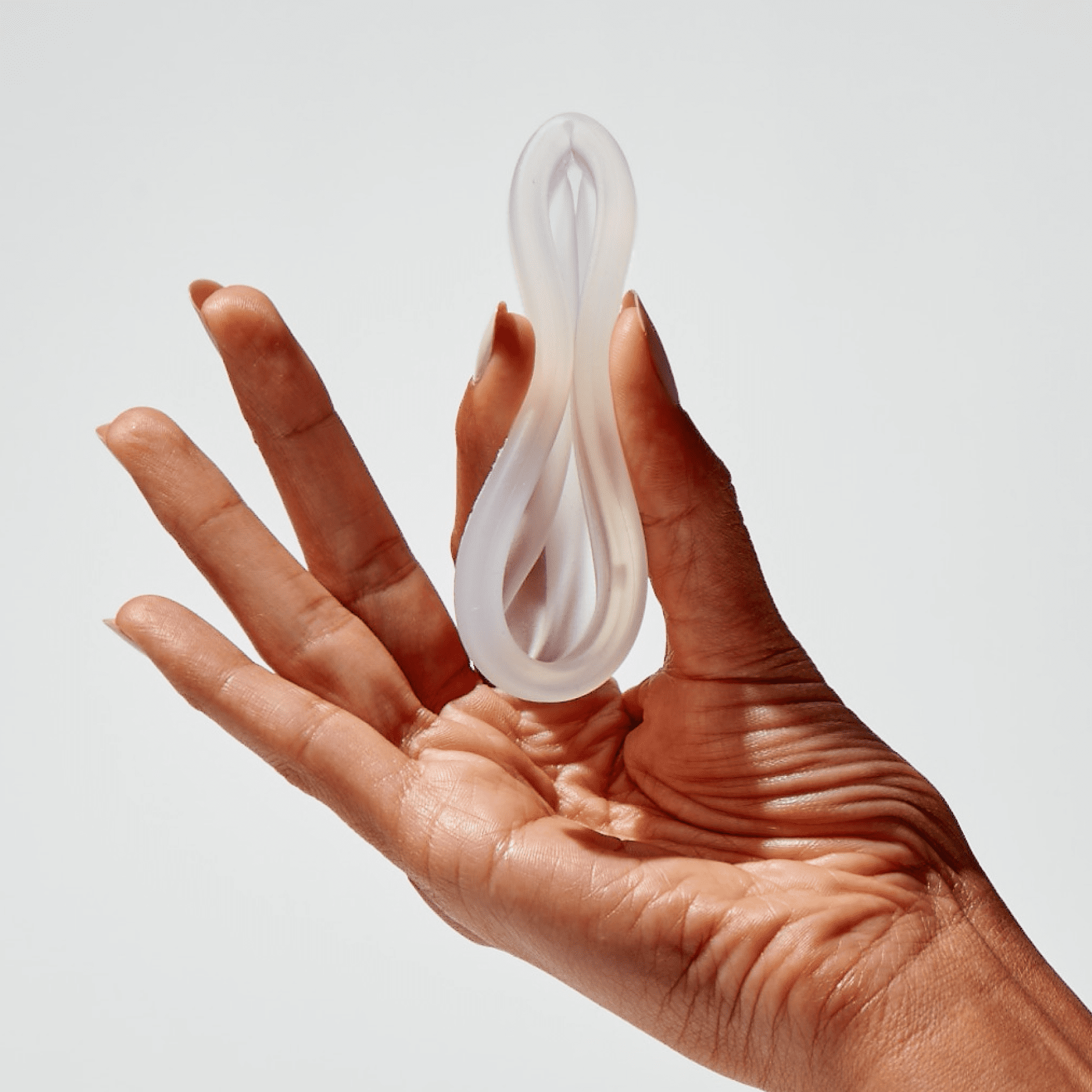
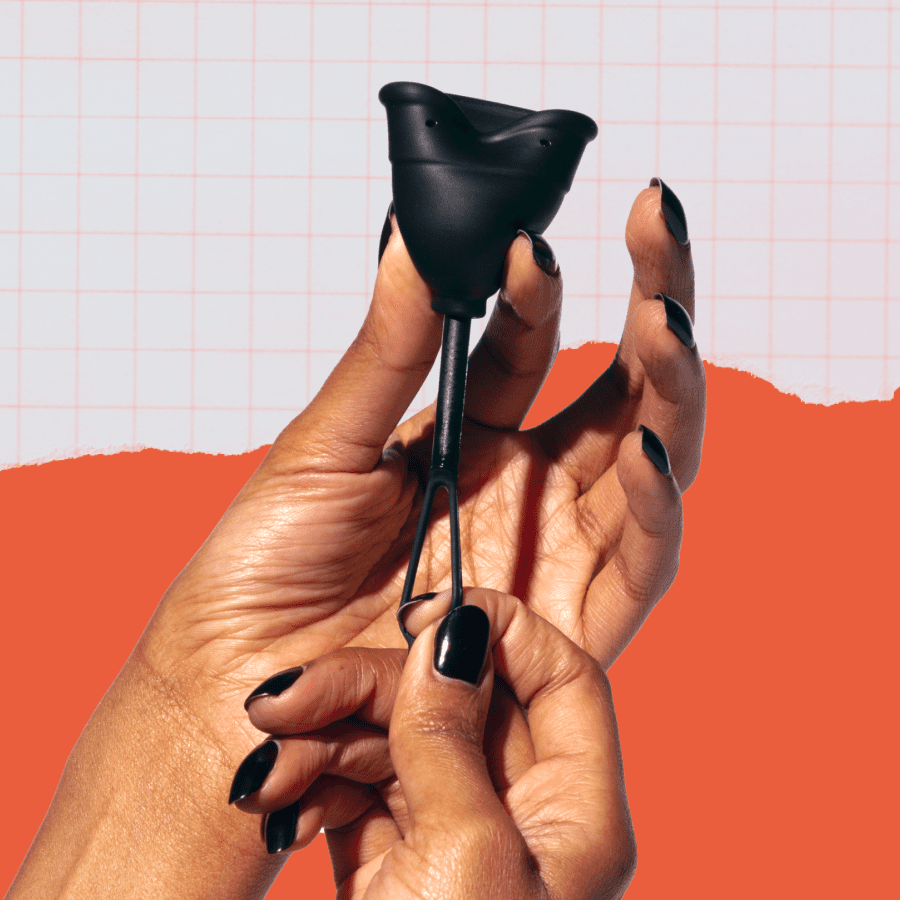
If you’re dealing with heavy periods because of PMOS, it may be worth switching up your period product. Tampons and pads typically hold a maximum of about 12 to 15 mL of fluid. Menstrual cups and discs, by comparison, can hold up to 30 mL, or about 6 teaspoons, of period blood.

If cramps are also an issue, menstrual discs like Flex Disc may offer some relief. Discs sit in the widest part of the vaginal canal, so they don’t place the same constant pressure on the vaginal walls that a tampon can.
PMOS and fertility
Because PMOS can disrupt the menstrual cycle, it’s not surprising that it also affects fertility. In people with PMOS, ovulation is often irregular or, at times, absent entirely, meaning no egg is released from the ovary that cycle. Even when an egg is released, hormonal differences associated with the condition are linked to somewhat higher miscarriage rates. 5 The infertility and pregnancy loss risks that come with PMOS can be a heavy emotional burden.
Fortunately, there are treatment options that can help regulate ovulation. Combined estrogen-progestin oral contraceptives are commonly used to regulate the menstrual cycle for people not currently trying to conceive. For people actively trying to get pregnant, letrozole is now considered the first-line medication for ovulation induction in PMOS, having shown higher ovulation and pregnancy rates than older options like clomiphene in recent trials. 7 Other fertility treatments, including gonadotropins or in vitro fertilization, may be recommended depending on your individual history. 9
If you’re interested in becoming pregnant, ovulation induction therapies can meaningfully improve your odds. It is absolutely possible to become pregnant with PMOS. An early diagnosis, consistent treatment, and a supportive care team are some of the best tools for improving your chances.
PMOS and mental health
PMOS symptoms don’t just affect physical health. They can take a real toll on mental health too. Going through a painful, unpredictable menstrual cycle is hard enough, and it’s often compounded by symptoms like acne, sleep apnea, and unwanted hair growth. Recent research backs this up: a 2025 meta-analysis found that anxiety and depression symptoms are substantially more common in people with the condition than in the general population, with prevalence estimates varying depending on the screening tool used, but consistently elevated across studies. 10 This kind of finding is part of why the 2026 name change explicitly recognizes mental health as a core feature of the condition, not a side effect of it. 1
If you’re struggling with PMOS, consider joining a peer support community that addresses both the mental and physical sides of the condition. Connecting with others who understand your experience, and asking your provider for recommendations, can help.
If you have the resources, working with a therapist who specializes in chronic illness can also be worthwhile. The Psychology Today directory lets you search for therapists in your area and filter by specialty, accepted insurance, and therapy type. Many therapists offer sliding scale pay or lower cost group sessions, both in person and online.
Other tools and strategies that can help
Journaling is an excellent tool for navigating chronic illness. Use it to track your symptoms and vent about them. Write about how you got through a particularly rough period, or note strategies that made an immediate difference in your day.
Living with PMOS is challenging, but it’s treatable. Identifying the signs early and seeking care can meaningfully improve your outcome.

Key takeaways
- In May 2026, PCOS was officially renamed polyendocrine metabolic ovarian syndrome, or PMOS, following a 14 year global consensus process. Diagnostic criteria stayed the same. Only the name changed.
- The new name reflects that this is a whole-body hormonal and metabolic condition, not primarily an ovarian one, and research behind the rename found no true increase in abnormal ovarian cysts.
- PMOS is a combination of metabolic and reproductive endocrine changes, marked by excess androgens, irregular or absent ovulation, and, in many cases, a distinctive follicle pattern on imaging
- Common symptoms include irregular periods, excess hair growth, male pattern hair loss, acne, and metabolic changes such as insulin resistance
- PMOS is treatable. Options include hormonal medications like oral contraceptives, medications for insulin resistance such as metformin, and supportive care tailored to your symptoms
- Lifestyle changes, including diet adjustments and regular exercise, can meaningfully ease symptom severity
- Switching period products may help people managing heavy or painful periods with PMOS. Menstrual cups and menstrual discs hold up to roughly 3 times as much blood as pads or tampons
- Whole-body wellness, including mental health support, is a key part of managing PMOS well
This article is informational only and is not offered as medical advice, nor does it substitute for a consultation with your physician. If you have any gynecological/medical concerns or conditions, please consult your physician.
© 2026 The Flex Company. All Rights Reserved.
- Endocrine Society. (2026, May 12). Polyendocrine metabolic ovarian syndrome: New name to improve diagnosis and care of condition affecting 170 million women worldwide [Press release]. https://www.endocrine.org/news-and-advocacy/news-room/2026/pcos-name-change[↩][↩][↩]
- Teede, H. J., Khomami, M. B., Morman, R., Piltonen, T., Dokras, A., et al. (2026, May 12). Polyendocrine metabolic ovarian syndrome, the new name for polycystic ovary syndrome: A multistep global consensus process. The Lancet. https://doi.org/10.1016/S0140-6736(26)00717-8[↩][↩][↩]
- Barbieri RL & Ehrmann DA (2020). Diagnosis of polycystic ovary syndrome in adults. UpToDate. Retrieved December 31, 2020 from https://www.uptodate.com/contents/diagnosis-of-polycystic-ovary-syndrome-in-adults[↩]
- Cleveland Clinic. (n.d.). Androgens. https://my.clevelandclinic.org/health/articles/22002-androgens[↩]
- Mayo Clinic. (2026, April 21). Polycystic ovary syndrome (PCOS): Symptoms and causes. https://www.mayoclinic.org/diseases-conditions/pcos/symptoms-causes/syc-20353439[↩][↩][↩]
- American College of Obstetricians and Gynecologists. (2018). Polycystic ovary syndrome (Practice Bulletin No. 194). Obstetrics & Gynecology. https://www.acog.org/clinical/clinical-guidance/practice-bulletin/articles/2018/06/polycystic-ovary-syndrome[↩]
- International PCOS Network. (2023). Recommendations from the 2023 international evidence-based guideline for the assessment and management of polycystic ovary syndrome. The Journal of Clinical Endocrinology & Metabolism, 108(10), 2447 to 2469. https://doi.org/10.1210/clinem/dgad463[↩][↩][↩][↩][↩][↩]
- Villani, A. (2025). A pilot randomized control trial evaluating the feasibility of a 12 week Mediterranean diet intervention without caloric restriction in women with polycystic ovary syndrome. Journal of Clinical Medicine, 14(16), Article 5842. https://doi.org/10.3390/jcm14165842
[↩] - National Institute of Child Health and Human Development. (n.d.). Treatments for infertility resulting from PCOS. https://www.nichd.nih.gov/health/topics/pcos/conditioninfo/treatments/infertility[↩]
- Infante-Cano, M., Garcia-Munoz, C., Matias-Soto, J., Pineda-Escobar, S., Villar-Alises, O., & Martinez-Calderon, J. (2025). The prevalence and risk of anxiety and depression in polycystic ovary syndrome: An overview of systematic reviews with meta-analysis. Archives of Women’s Mental Health, 28(3), 475 to 489. https://doi.org/10.1007/s00737-024-01526-1
[↩]